MakeTrailer
An AI design canvas and market-research engine for authors.
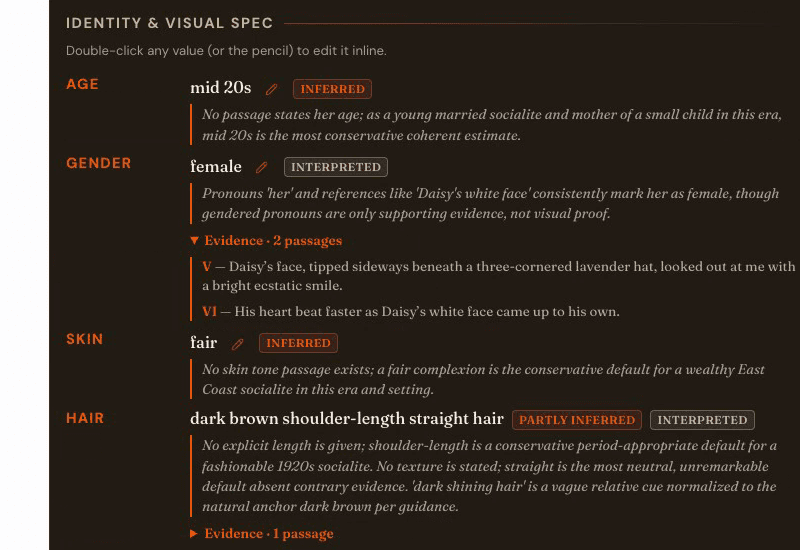
Authors spend months writing their stories, but marketing them requires a steady supply of covers, ads, and social creative. MakeTrailer read the manuscript, extracted its characters and visual language, and turned that context into controlled, editable design assets.
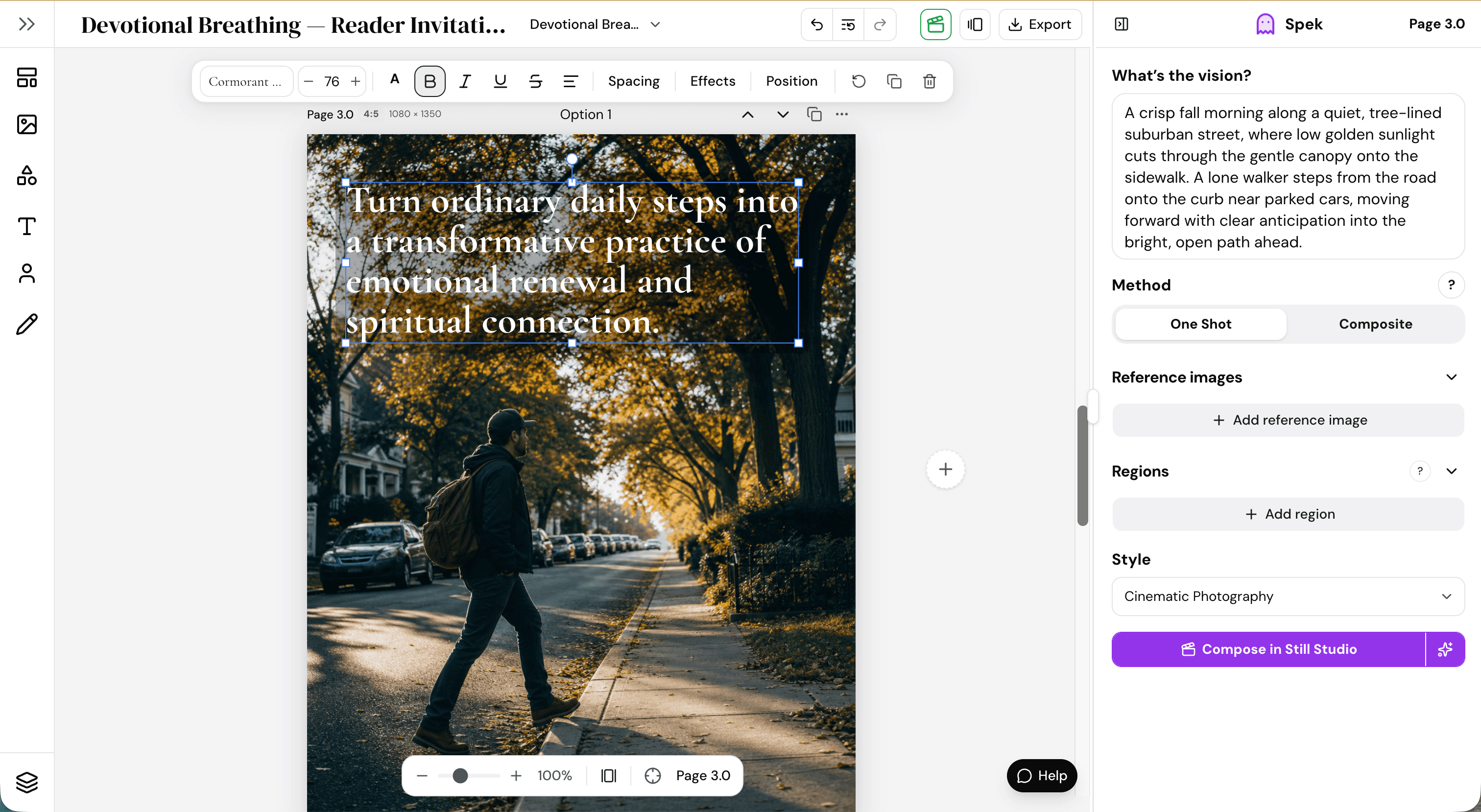
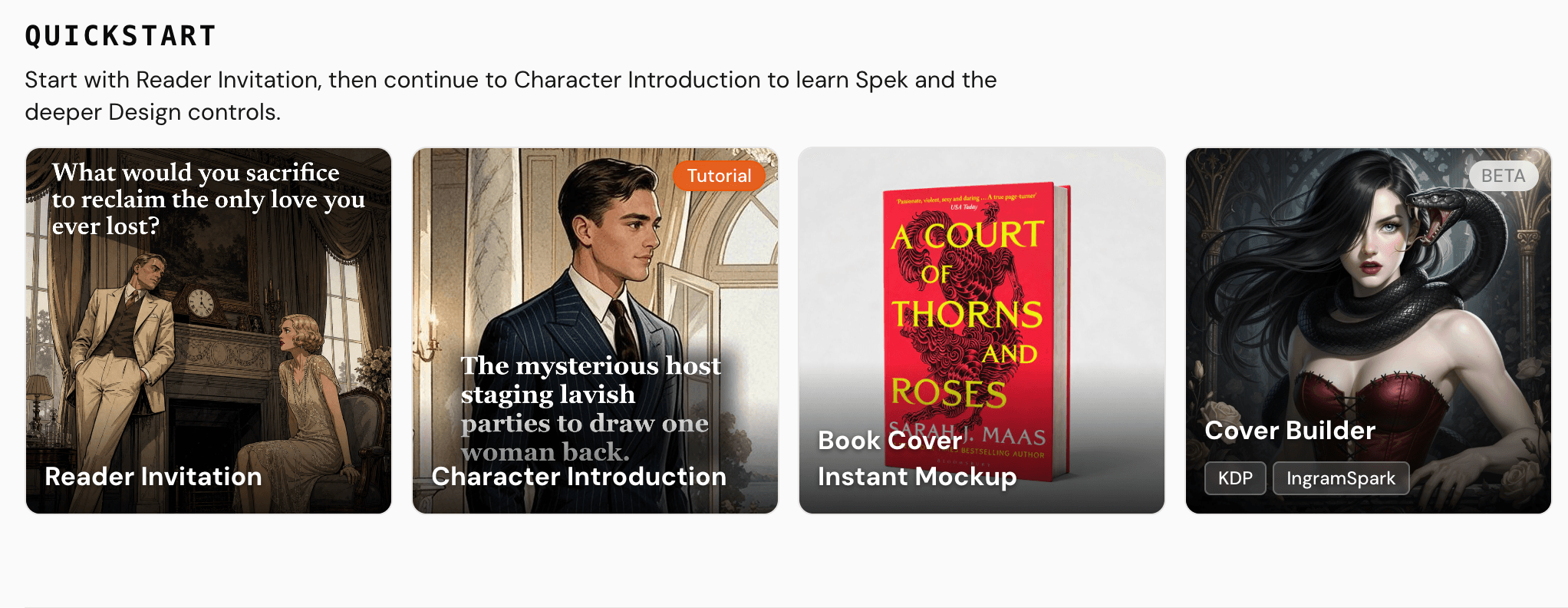
At the core of the app is a bespoke "agentic" architecture—powered by Next.js, Supabase, LLMs for narrative extraction, and fal.ai for image generation. Instead of disjointed tools, everything is orchestrated through automated "Quickstarts" that pull context directly from the manuscript.
Genre Cover Trends
Before asking authors to try the product, I wanted to give them something immediately useful. I built Genre Cover Trends, a system that analyzed bestselling Amazon covers and identified the visual patterns within individual genres and subgenres.
It examined art style, typography, color, subject matter, composition, and what survived at thumbnail size. The findings became mobile-first reports authors could use while planning their own covers. Those reports became MakeTrailer's lead magnet and generated more than 50 leads.
The research also improved the product. I created human-scored evaluations for art-style recognition, studied where the system failed, and refined its taxonomy and prompts. On our internal benchmark, the resulting pipeline scored higher than the GPT baseline at recognizing cover art styles.
The Workflow
- 01The FoundationFeed the platform a synopsis or chapter. The AI extracts character attributes, you lock in an art style, and it generates a consistent 'Meet the Cast' visual anchor.
- 02Reader InvitationsTurn text into social media carousels. The AI analyzes your text for the core hook and generates a specific visual brief with promotional copy.
- 03Passage AdaptationPaste in a chapter, and the system acts like a director—writing a reading script, planning shots, and dropping panels onto a semantic canvas.
- 04Semantic Layout CanvasAgents place speech bubbles, thoughts, and text onto safe zones so typography never covers a character's face.

Why I Pivoted
The product worked, but the market was moving in the opposite direction. AI had become a reputational risk in publishing. That became especially clear when Jerry Falade's reported $2 million book deal collapsed amid questions about possible AI use, despite his denial of the allegations. Publishers Weekly covered the dispute.
Authors still needed better marketing, but many no longer wanted AI associated with their creative work. MakeTrailer asked them to publicly embrace the exact label they were increasingly trying to avoid. I eventually pivoted away from the product.